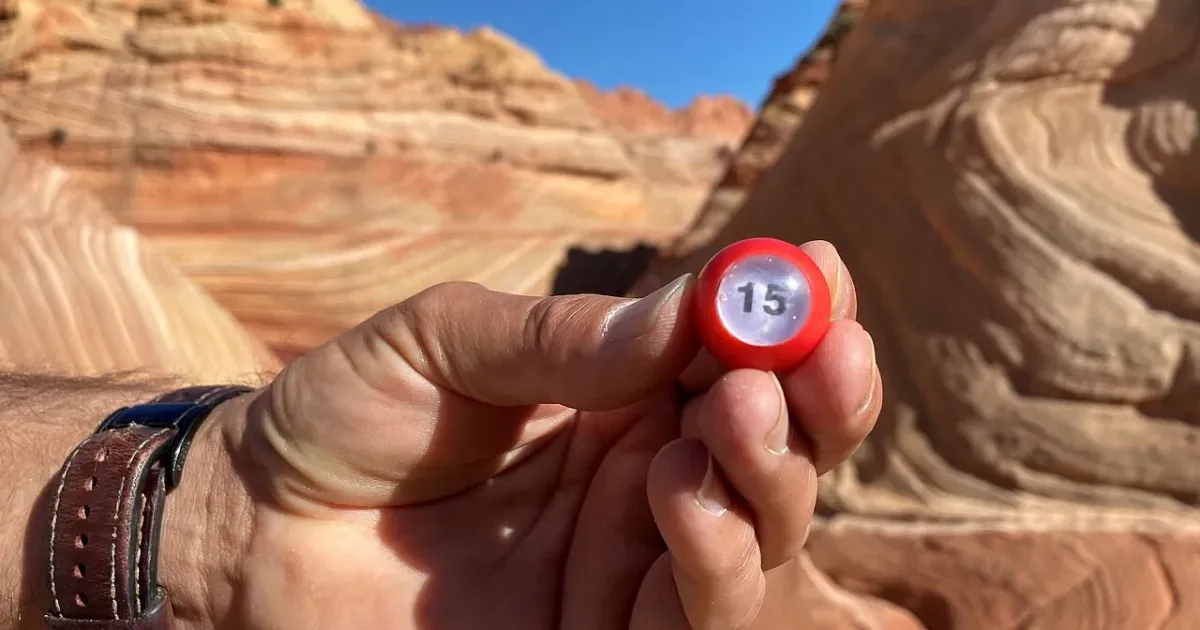
Bingo balls are a fundamental part of any bingo game, and choosing the right set matters more than most people realize. The wrong size balls will not fit your cage, cheap balls will have numbers that rub off after a few games, and an incomplete set will bring your bingo night to a halt. This guide covers everything you need to know about bingo balls so you can buy the right set the first time.
Standard Bingo Ball Sizes
Bingo balls come in two standard sizes used across the industry:
1.5-inch balls (38mm) are the smaller standard and the most common size for home bingo sets, family kits, and smaller cages. If you bought a bingo kit from Amazon, Walmart, or a toy store, it almost certainly uses 1.5-inch balls.
1.875-inch balls (48mm) are the professional standard used in bingo halls, community centers, and large events. They are easier to read from a distance, feel more substantial in hand, and are compatible with professional-grade cages and electronic ball blowers.
Important: Always check your cage specifications before buying balls. A 1.5-inch ball will rattle around in a cage built for 1.875-inch balls, and larger balls simply will not fit in a smaller cage.
Numbered vs Lettered Balls
In standard American bingo, each ball displays both a letter and a number. The 75 balls are divided into five groups corresponding to the B-I-N-G-O columns on the card:
| Letter | Number Range | Color (traditional) |
|---|---|---|
| B | 1 – 15 | Blue |
| I | 16 – 30 | Red |
| N | 31 – 45 | White |
| G | 46 – 60 | Green |
| O | 61 – 75 | Yellow |
British bingo uses 90 balls numbered 1 through 90 without letter designations, played on a different card format. Make sure you buy the correct set for the style of bingo you plan to play. The vast majority of sets sold in North America are the 75-ball American style.
Ball Materials: Plastic vs Ping Pong Style
Budget bingo ball sets often use lightweight ping pong style balls with painted or screen-printed numbers. These are inexpensive and work fine for occasional home use, but the numbers can fade, chip, or rub off with regular handling. If you play weekly or more, you will likely need to replace them within a year.
Solid plastic balls with engraved or deeply printed numbers are the professional choice. The numbers are embedded into the plastic rather than sitting on the surface, so they resist wear and remain legible for years. These balls are heavier, more durable, and tumble better in a cage for more random selection.
Premium professional balls use double-numbered printing with the number displayed on both sides, making them readable no matter how they land in the cage tray.
How Many Balls in a Standard Set
American bingo uses a set of 75 balls. This is the standard in the United States, Canada, and most of the Western Hemisphere.
British or Australian bingo uses 90 balls. This version is popular in the UK, Europe, and Australia. Cards have a different layout with three rows and nine columns.
Best Bingo Ball Sets to Buy
For home and family use, look for a 75-ball set with 1.5-inch solid plastic balls in the $8 to $15 range on Amazon. Brands like Regal Games and MR CHIPS offer reliable options that will last for years of casual play.
For events and community use, invest in a professional 75-ball set with 1.875-inch double-numbered balls in the $15 to $30 range. Check that they are compatible with your bingo cage or roller before purchasing.
Replacement Balls: Where to Find Singles
Losing a single bingo ball can sideline your entire set. Unfortunately, individual replacement balls can be tricky to find. Your best options are:
- Contact the manufacturer of your original set — many will sell individual replacements
- Amazon and eBay occasionally have sellers offering individual balls or partial sets
- Specialty bingo supply sites often sell replacement balls in the professional 1.875-inch size
- Buy a new complete set — sometimes cheaper than tracking down a single ball
Prevention tip: Count your ball set after every game and store them in a secure container. This prevents the frustration of discovering a missing ball right when you need to play.
Bingo Balls for Kids vs Professional Sets
Kids’ bingo sets often use oversized, brightly colored balls that are easy for small hands to grab and read. Some children’s sets use picture balls or alphabet balls instead of numbers. These are great for educational games but are not compatible with standard bingo cards or cages.
Professional sets prioritize durability, readability at a distance, and consistent tumbling in a cage. The balls are heavier, the printing is more precise, and the sizing is standardized to work with commercial equipment.
Ball Compatibility with Different Cages
| Cage Type | Ball Size Required | Notes |
|---|---|---|
| Small home cages | 1.5-inch | Most common home sets |
| Medium cages | Check specs | May accept either size |
| Professional cages | 1.875-inch | Standard for halls and events |
| Electronic blowers | Check specs exactly | Least forgiving of size mismatches |
When in doubt, buy balls and a cage together as a set. Many retailers sell cage and ball combos that guarantee compatibility and often save money. For a complete overview of all the equipment you need, visit our bingo supplies guide.
Keep exploring: Also explore bingo chips guide and learn the rules of bingo.