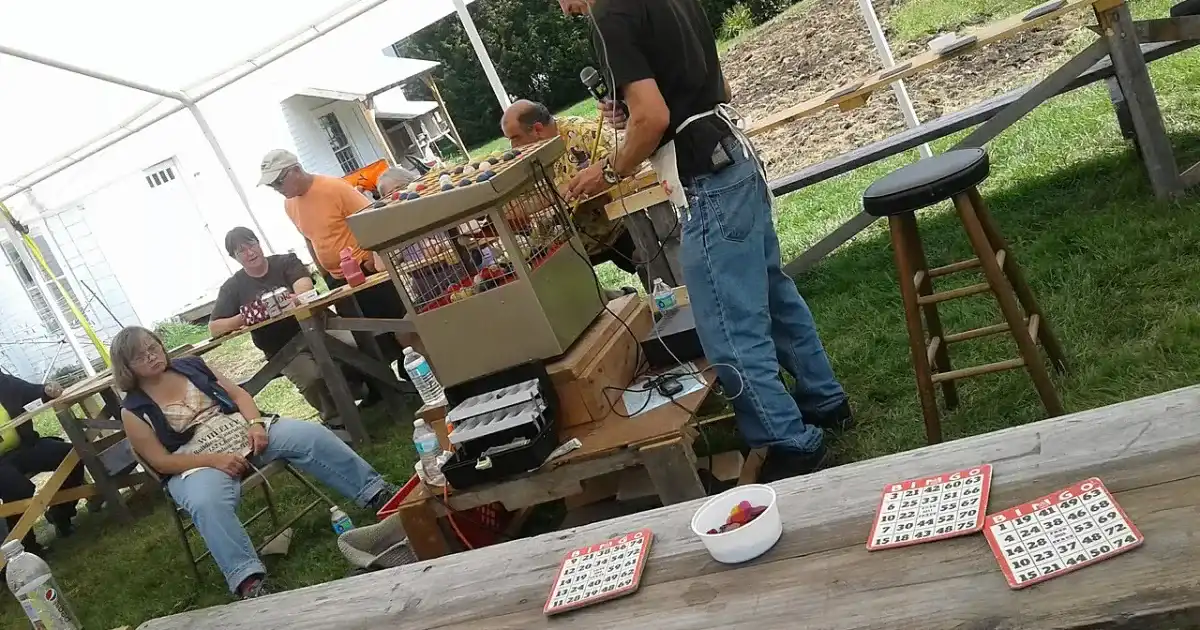
Bingo is one of the most reliable and profitable fundraising formats available. It requires minimal upfront investment, appeals to a broad audience, and generates multiple revenue streams beyond ticket sales. Whether you are raising money for a school, church, nonprofit, or community organization, this step-by-step guide covers everything you need to plan, promote, and execute a successful bingo fundraiser.
Why Bingo Is Perfect for Fundraising
Bingo works for fundraising because it is universally understood (no one needs to learn complicated rules), naturally social (people enjoy playing together), scalable (works for 30 people or 300), and repeatable (organizations can host monthly or quarterly events). Unlike galas or auctions that require expensive planning, a bingo fundraiser can be organized for under $500 in total costs and still raise thousands.
Revenue potential: A well-run bingo fundraiser with 150 attendees can realistically raise $3,000 to $10,000+ depending on ticket pricing, prize sourcing, and additional revenue streams.
Step 1: Legal Requirements and Permits
Before planning anything else, research your local charitable gaming laws. Many states and municipalities require permits, licenses, or registrations for bingo fundraisers, even for nonprofit organizations. Requirements vary widely — some areas are very permissive while others have strict regulations about who can host, how often, and how proceeds must be reported.
Contact your local government office, check your state’s charitable gaming commission website, or consult an attorney familiar with nonprofit law. Getting proper permits protects your organization from fines and legal complications.
Step 2: Setting Your Budget and Revenue Goals
Start with your fundraising goal and work backward. A sample budget for a 150-person event:
| Category | Estimated Cost | Notes |
|---|---|---|
| Venue rental | $0 – $500 | Many community spaces are free for nonprofits |
| Bingo equipment | $50 – $150 | Cage, balls, cards, daubers |
| Prizes | $200 – $1,000 | Reduce with donated prizes |
| Food and drinks | $100 – $500 | Can also be a revenue source |
| Marketing/printing | $50 – $200 | Flyers, tickets, signs |
| Total expenses | $400 – $2,350 |
Step 3: Choosing a Venue
Look for a space that comfortably seats your target attendance at tables, has adequate parking, meets accessibility requirements, and allows food and beverage service. Fire halls, church basements, school cafeterias, community centers, and hotel ballrooms are all popular choices. Many venues offer discounted or free rates for registered nonprofits.
Step 4: Equipment and Supplies You Need
A basic bingo fundraiser setup requires a cage with balls, bingo cards (enough for every player for every round), daubers or markers, a microphone and speaker system, a number display board, and tables and chairs. For equipment recommendations and where to buy, see our bingo supplies guide.
Step 5: Sourcing Prizes
The most profitable approach is to source as many donated prizes as possible. Local businesses are often willing to donate gift cards, products, or services in exchange for being recognized as sponsors. Send formal donation request letters on your organization’s letterhead at least six weeks before the event. Every donated prize is money that goes directly to your cause.
Step 6: Ticket Pricing Strategy
Price tickets to cover your costs and generate profit while remaining accessible to your community. A common model is $20 to $40 per ticket including all bingo rounds and light refreshments. Offer early-bird discounts ($5 off before a deadline) to drive early sales and help you gauge attendance.
Step 7: Marketing and Promotion
Promote across multiple channels starting six to eight weeks before the event. Use social media, email lists, church bulletins, school newsletters, community boards, and local news outlets. Create a Facebook event page and encourage attendees to invite friends. Highlight the prizes and the cause you are supporting — both motivate people to buy tickets.
Step 8: Event Day Setup and Logistics
Arrive at least two hours before doors open. Set up tables and chairs, test the sound system, arrange the prize display, station volunteers at check-in, concessions, and raffle stations, and do a final run-through with your caller. Have a clear schedule posted so volunteers know the flow of the evening.
Step 9: Running the Games
Pacing tip: Run 10 to 15 rounds with short breaks between games for concessions, raffles, and bathroom breaks. Keep the energy moving — dead time kills momentum. A good caller keeps the crowd laughing and engaged between numbers.
Step 10: Post-Event Follow-Up
Within one week of your event, send thank-you notes to sponsors and donors, share the total amount raised with attendees via email and social media, publicly recognize volunteers, and save notes on what worked and what to improve for next time. This follow-up builds goodwill and makes the next event easier to organize.
Fundraiser Bingo Variations
Consider these popular variations to differentiate your event: purse bingo with designer handbags as prizes, basket bingo with themed gift baskets, beer or wine bingo with craft beverage prizes, and holiday-themed bingo events that match seasonal interests.
Revenue Maximizers: Raffles, Concessions, and 50/50
- 50/50 raffle: Sell tickets ($1 each or 6 for $5) and split the pot between the winner and your organization
- Chinese auction: Display themed baskets and let attendees drop tickets for the ones they want
- Concessions: Sell food, drinks, and desserts at reasonable markups
- Extra bingo cards: Sell additional cards per round for $1 to $2 each
- Dauber sales: Sell themed or color daubers at the door
Keep exploring: Also explore themed bingo party games, matching bingo shirts for volunteers, and bingo signs and event decor.
Frequently Asked Questions
In most jurisdictions, yes. Charitable gaming laws require permits or licenses for bingo events, even when all proceeds go to charity. Requirements vary by state and municipality, so check with your local government before planning your event.
Start planning at least 8 to 12 weeks before your event. You will need time to secure a venue, obtain permits, source prizes, recruit volunteers, and promote ticket sales. Major fundraisers benefit from 3 to 4 months of lead time.