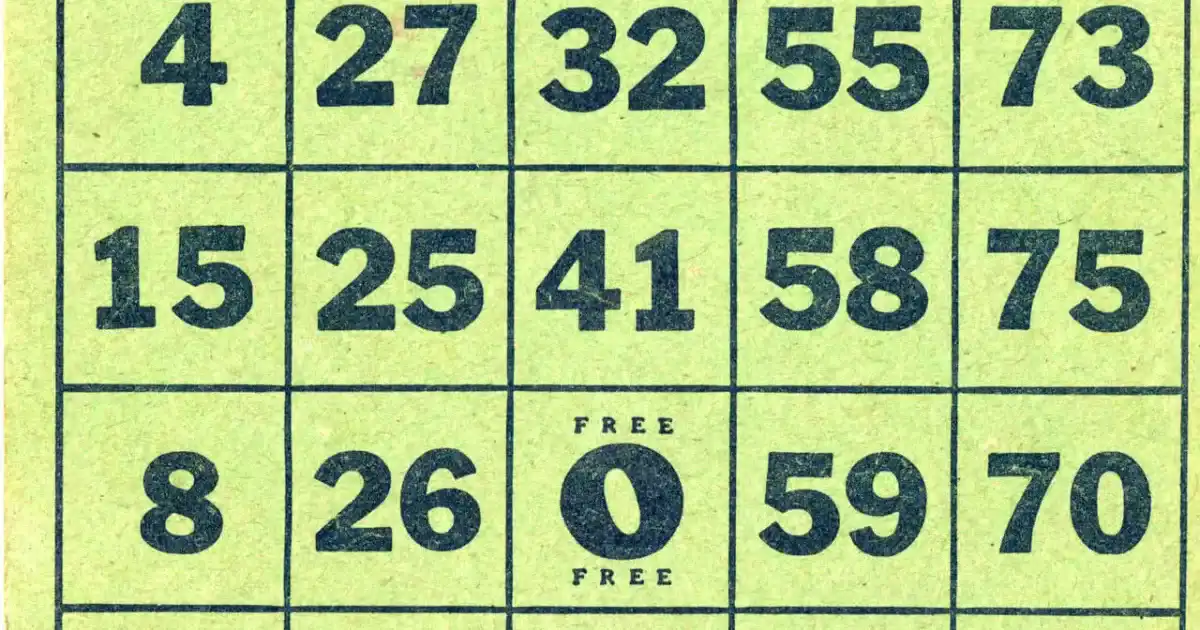
Bingo is one of the simplest and most enjoyable games ever invented. Whether you are heading to a bingo hall for the first time, hosting a game night at home, or setting up an activity for a group event, this guide covers everything you need to know — from the basic rules to advanced patterns, winning strategies, and proper bingo etiquette.
Bingo in 60 Seconds
The short version: Each player gets a card with a 5×5 grid of numbers. A caller randomly draws numbers one at a time. If a called number is on your card, you mark it. The first person to mark a complete pattern (usually a straight line) shouts “BINGO!” and wins the prize.
That is genuinely all there is to it. The rest of this guide covers the details, variations, and tips that make the game even more enjoyable.
What You Need to Play Bingo
Every bingo game requires these essentials:
- Bingo cards — one or more per player, each with a unique 5×5 grid of numbers
- Something to mark numbers — daubers, chips, or any small markers
- A way to call numbers — a cage with balls, a number generator app, or slips of paper in a bowl
- A caller — one person who draws and announces numbers
- Prizes (optional but strongly recommended)
For a complete equipment guide, see our bingo supplies page, which covers every item with buying recommendations.
Setting Up: Cards, Caller, and Prizes
Give each player at least one bingo card. Beginners should start with one card and add more as they get comfortable. Set up the caller’s station with the bingo cage (or app) and a master board for tracking called numbers. Display prizes where players can see them — visible prizes build excitement and keep people engaged.
Designate one person as the caller. The caller’s job is to draw numbers randomly, announce them clearly, and verify winning cards. In informal settings, players can take turns being the caller.
How a Round Works: Step by Step
- Announce the pattern — tell players what pattern they need to complete (straight line, four corners, blackout, etc.)
- The caller draws a ball — randomly select a ball from the cage or generate a number
- Announce the number — call it out clearly: “B-7” or “N-42.” Many callers repeat the number twice
- Players check their cards — if the called number appears on a player’s card, they mark it with a dauber or chip
- Repeat — continue drawing and calling numbers one at a time
- Someone yells BINGO — when a player completes the required pattern, they shout “Bingo!”
- Verify the win — the caller checks the winning card against the called numbers to confirm it is valid
- Award the prize — the verified winner receives the prize, and a new round begins
Bingo Patterns: Lines, Corners, Blackout, and More
The winning pattern determines how difficult each game is and how long it takes to play. Here are the most common patterns:
Straight Line
The most basic and common pattern. Complete any horizontal, vertical, or diagonal line of five numbers. This is the standard pattern for most bingo games and typically produces a winner within 15 to 25 numbers called.
Four Corners
Mark only the four corner squares of the card. This is a quick pattern that often produces fast winners and is commonly used as a warm-up game or bonus round.
Postage Stamp
Complete a 2×2 square in any corner of the card. The double postage stamp requires two 2×2 squares in opposite corners. These patterns add variety without extending game length significantly.
Blackout (Coverall)
Cover every single number on the card. This is the longest and most challenging pattern, often used for the final game of the night with the biggest prize. A blackout game can require 50 or more numbers to be called.
For a complete visual reference with diagrams of every pattern, visit our bingo patterns guide.
How to Call Bingo and Verify a Win
When a player shouts “Bingo!”, the game pauses immediately. The caller (or an assistant) takes the winning card and checks each marked number against the list of numbers that have been called. If every marked number in the claimed pattern was actually called, the win is valid and the player receives the prize.
Important rule: You must call “Bingo!” before the next number is drawn. If you have a winning pattern but do not speak up in time, most games require you to wait and hope your pattern still holds on the next call.
Common Bingo Variations
- 75-ball bingo — the American standard with a 5×5 card and free center space
- 90-ball bingo — the British version with a 3×9 card and three chances to win per game
- Speed bingo — numbers called rapidly with no delay, testing players’ reflexes
- Music bingo — song clips replace numbered balls. Learn more in our music bingo guide
- Theme bingo — cards feature words, pictures, or activities instead of numbers
Tips for Winning at Bingo
Bingo is fundamentally a game of chance, but a few strategies can improve your odds:
- Play more cards — each additional card gives you more chances to win
- Choose less crowded sessions — fewer players means less competition for each prize
- Arrive early — pick a seat with good visibility and minimal distractions
- Stay focused — missed numbers mean missed wins
- Play the odds — in a blackout game, buying more cards significantly improves your chances
Bingo Etiquette: Unwritten Rules
Every bingo hall and game group has its culture. Here are the universal etiquette guidelines:
- Be quiet during play — talking over the caller is the fastest way to annoy fellow players
- Do not shout premature bingos — false calls waste everyone’s time
- Silence your phone — ringtones during play are deeply unwelcome
- Be gracious — congratulate winners even when it is not you
- Do not hog seats — save seats only for people who are actually coming
- Tip your caller — at commercial bingo halls, tipping the caller is customary
Online vs In-Person Bingo
| Feature | In-Person | Online |
|---|---|---|
| Social experience | High — shared excitement | Lower — chat rooms available |
| Convenience | Must travel to venue | Play from anywhere |
| Auto-marking | Manual (you mark) | Often automatic |
| Prize potential | Varies by venue | Can be substantial |
| Atmosphere | Classic bingo hall feel | Digital interface |
Keep exploring: Also explore themed bingo party games, bingo prize ideas, family bingo games, and music bingo.
Frequently Asked Questions
You can play bingo with as few as two people (one player and one caller), though the game is most fun with at least four to six players. There is no upper limit — bingo halls regularly host hundreds of players simultaneously.
If two players achieve bingo on the same called number, the prize is typically split equally between them. Some halls use a rule where the first person to physically call out wins, but split prizes are more common and fairer.
In standard 75-ball American bingo, yes — the free space is always in the center of the card (the N column, third row). It counts as automatically marked for every player from the start of the game.
A single round of standard line bingo takes about 5 to 10 minutes. A full bingo session with 10 to 15 rounds typically lasts 1.5 to 2.5 hours, including breaks and special games.